
Meet our Spring 2026 Alumni Spotlight
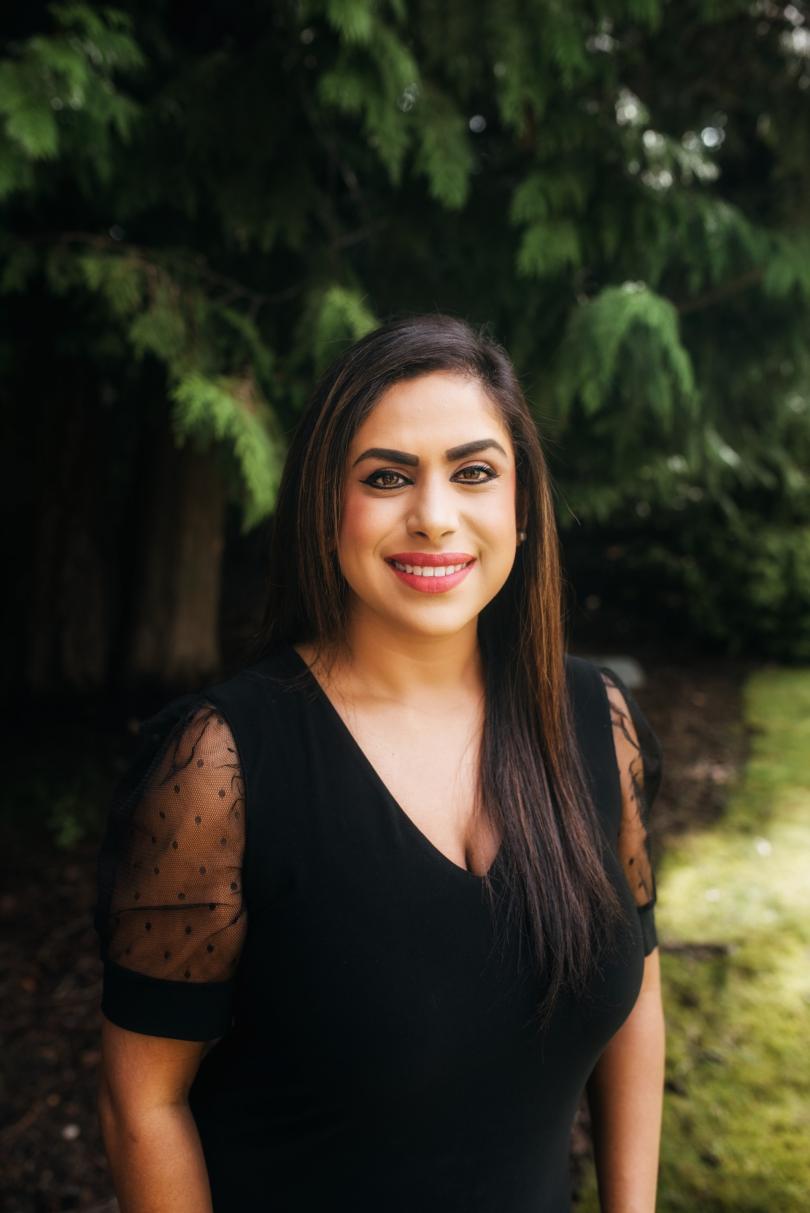 Riya Paranthan, O.D.
What is your connection to the Department of Biology?
I am an alumna of the University of Kentucky’s Department of Biology, where I developed a strong foundation in both research and practical applications of the life sciences. My time in the department sparked a lifelong curiosity about human and environmental biology.
What was your overall experience with the department? UK?
My overall experience with the Department of Biology and the University of Kentucky was incredibly formative. The faculty cultivated an environment of intellectual curiosity and provided mentorship that extended far beyond the classroom. UK combined rigorous academic training with a supportive community, helping shape my approach to problem-solving, collaboration and lifelong learning. I am especially grateful for the full-ride scholarship I received as well as being a Governors Scholar, KEES Scholarship recipient, Provost Scholar and Women Leading Kentucky Scholar, which made it possible to pursue my academic and career goals in optometry.
What is your current role/position/title in your career?
I am an optometric physician at Northwest Eye Clinic, where I provide comprehensive eye care to patients. In addition, I serve on the Washington State Board of Optometry, having been appointed to a second term by Gov. Bob Ferguson. I am also on the Advisory Board of Women in Optometry and serve as a Regional Leader for Professional Eye Care Associates of America.
How did you get to this position?
My path to becoming an optometrist included eight years of rigorous schooling, starting with a Bachelor of Science in biological Sciences at UK and culminating with my Doctor of Optometry at the Pennsylvania College of Optometry. Along the way, I gained hands-on clinical experience through a year of externships in Philadelphia and at the VA Hospital in North Carolina, co-managing complex ocular cases and pre- and post-operative care. My early involvement in research — ultimately leading to published work — as well as mentorship and leadership opportunities, shaped my skills in patient care, professional governance and advocacy.
How has this role made a positive impact on your community?
Through clinical practice, board service, and leadership in professional organizations, I work to expand access to quality eye care and support the advancement of women in optometry. Serving as vice chair of the Washington State Board of Optometry, a regional leader for the Professional Eye Care Associates of America and a published researcher allows me to contribute to policies and initiatives that benefit both patients and practitioners. It’s deeply rewarding to see the tangible impact of my work on both individuals’ vision and the broader professional community.
What do you like most about your position? The most challenging?
I enjoy the combination of patient care, professional service and mentoring emerging leaders in optometry. The most challenging aspect is balancing clinical responsibilities with multiple leadership roles and board commitments.
What are some important skills that have served you well through your career?
Critical thinking, leadership, communication and the ability to collaborate across professional and regulatory settings have been essential throughout my career.
Any advice for students who want to work in the same field as you?
Embrace challenges, take initiative and never underestimate the value of mentorship and community. Your experiences — both inside and outside the classroom — will shape your future in ways you cannot yet predict.
Do you have any mentors or professors who significantly impacted your life? How so?
Dr. Royce Mohan in the Department of Ophthalmology was a transformative mentor for me. As a first-year student with no prior research experience, he welcomed me into his lab and gave me the opportunity to contribute to path-breaking ophthalmology research. Over the next three years, his guidance allowed me to grow as a researcher, ultimately leading to first-author publication on one paper and second-author contributions on three others. His mentorship went beyond technical skills, teaching me critical thinking, perseverance, and the importance of asking meaningful scientific questions. I am also deeply grateful to Dr. Robin Cooper, who inspired my interest in physiology, and Dr. James Albisetti, my Honors Program teacher, whose philosophy and writing courses taught me to think outside the box and shaped the recommendation letters that supported my academic and professional journey. Together, their mentorship laid the foundation for both my research and clinical career.
What was one of your favorite classes and why?
My favorite classes were in the Honors Program, particularly the philosophy and writing courses taught by Dr. James Albisetti. He was tough at grading papers, which pushed me to become a better writer and critical thinker. These classes challenged me to think critically, analyze complex ideas and communicate effectively — skills that have been invaluable in both research and clinical practice.
Describe any highlights or memorable moments here in biology/UK that most influenced you.
Being an active member of Tri-Beta and participating in research projects were defining experiences during my time at UK. These opportunities allowed me to collaborate closely with peers and mentors, contribute to scientific knowledge through published papers and develop essential skills like teamwork, resilience and critical thinking. A particular highlight was attending ARVO (Association for Research in Vision and Ophthalmology) as a student researcher, fully supported by UK. I presented my first poster on corneal angiogenesis and was the only participant without a graduate degree, surrounded by Ph.D. students. The experience of sharing my work at a professional conference and seeing research come to fruition remains one of the most rewarding aspects of my academic journey.
Any overall advice for current students?
Seek out mentorship, pursue hands-on experiences and remain curious. Building a strong professional network and developing both technical and soft skills will be invaluable.
What improvements or changes do you wish to see from the department and why?
Continued expansion of interdisciplinary opportunities and more structured mentorship programs could further strengthen the department and prepare students for diverse career paths.
What are your interests outside of work?
Outside of work, I am passionate about dance, and I am trained in Bharatanatyam. I used to teach dance at the local community college and continue to enjoy it as a personal pursuit. I also love baking, exploring new travel destinations — sometimes visiting multiple countries in a single year — and spending quality time with my husband and daughter. These activities provide balance, joy, and inspiration that enrich both my personal and professional life.
If you could only eat one food for the rest of your life, what would it be?
I would choose warm bread fresh out of the oven with butter; there’s something simple, comforting and absolutely irresistible about it!
Is there another question we could be asking in an interview like this?
“What do you wish you had known as a student that would have better prepared you for your career?”
Why do you support the Biology Student Success Fund?
I support this fund because it directly empowers students to pursue research, internships and learning opportunities that can transform their academic and professional journeys. Giving back ensures that future generations of biologists have access to the same mentorship and resources that shaped my own career.