Department of Biology Ribble Endowment Seminar

"Mom does it best: Parental Care as a Model Phenotype to Explore How Cell-Type Specific Changes in Gene Expression Influence Brain Activity and Animal Behavior"

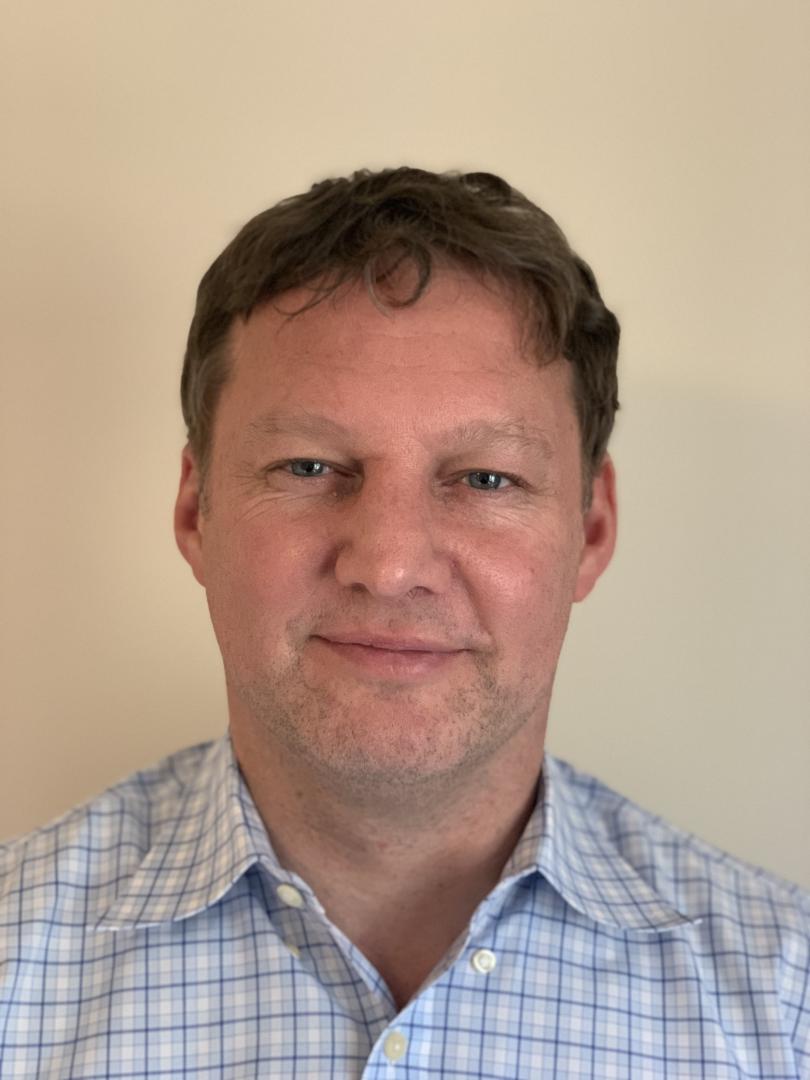
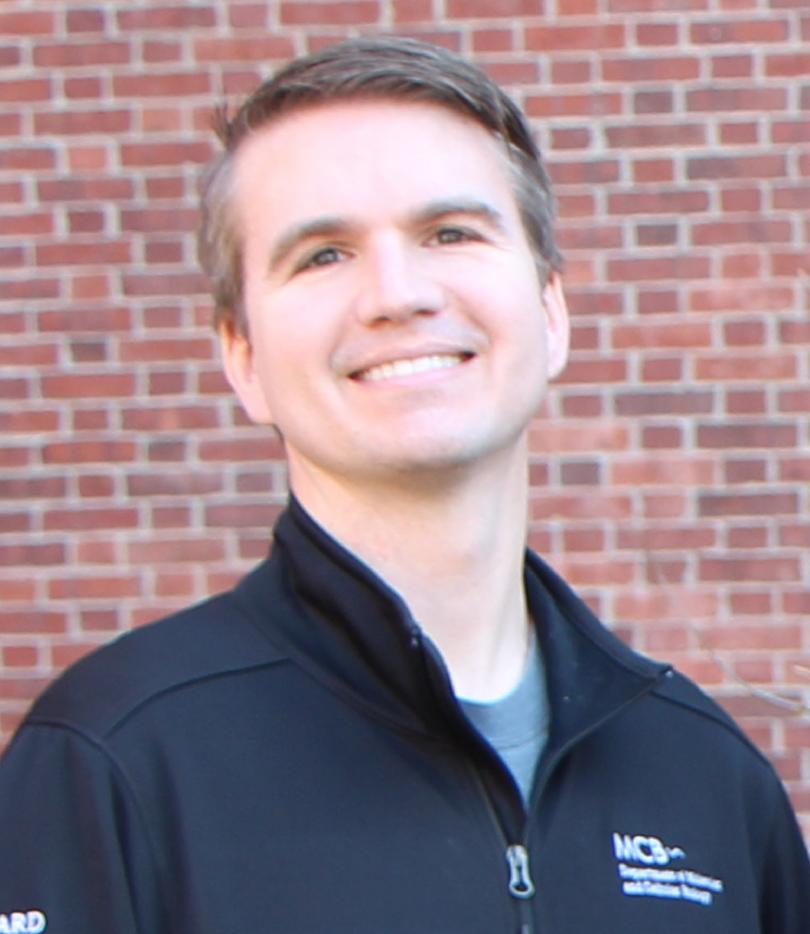
Self-photo of Dr. Brandon Logeman.Dr. Brandon Logeman

Bio:
Brandon L. Logeman, PhD is a new Assistant Professor in the Department of Molecular and Cellular Biochemistry, College of Medicine, University of Kentucky. After completing his Ph.D. at Duke University, he joined the lab of Catherine Dulac at Harvard University to study the molecular mechanisms through which changes in cell-type specific gene expression influence neural activity and animal behavior. After receiving a K99/R00 Career Transition Award he joined the University of Kentucky in August 2025. His new lab will utilize custom designed single-cell genomics technologies such as microfluidic, droplet based sequencing assays and imaging based spatial transcriptomics as well as de novo protein binder design across a panel of genetically diverse mouse strains to discover how genomic and environmental influences contribute to observable differences in animal behavior.

Abstract:
Parental care is composed of multiple infant-directed behaviors that promote offspring survival and is influenced by the sex and physiological state of the caregiver. Previous work in mice has identified the medial preoptic area of the hypothalamus as a key brain area implicated in parental behaviors. However, numerous naturalistic behaviors and homeostatic processes are controlled by this area, hindering mechanistic investigation of the circuits underlying parental care. To overcome this challenge, here I employ cell-type specific RNA- and ATAC-seq analysis, neural activity recording, and perturbation to gain access into molecular, biophysical, and circuit-based causality of behavioral control. I find that various neuronal types involved in parenting behavior are each distinctively influenced by the sex and physiological status of an individual and uncover how cell-type specific regulatory programs alter gene expression and neural activity underlying behavior control. These results demonstrate how cell-type specific transcriptional responses to internal physiological cues mediate circuit specific alterations to neural activity and ultimately influence animal behavior.

Date:
Location:
THM 116

"Mom does it best: Parental Care as a Model Phenotype to Explore How Cell-Type Specific Changes in Gene Expression Influence Brain Activity and Animal Behavior"

Self-photo of Dr. Brandon Logeman.Dr. Brandon Logeman

Bio:
Brandon L. Logeman, PhD is a new Assistant Professor in the Department of Molecular and Cellular Biochemistry, College of Medicine, University of Kentucky. After completing his Ph.D. at Duke University, he joined the lab of Catherine Dulac at Harvard University to study the molecular mechanisms through which changes in cell-type specific gene expression influence neural activity and animal behavior. After receiving a K99/R00 Career Transition Award he joined the University of Kentucky in August 2025. His new lab will utilize custom designed single-cell genomics technologies such as microfluidic, droplet based sequencing assays and imaging based spatial transcriptomics as well as de novo protein binder design across a panel of genetically diverse mouse strains to discover how genomic and environmental influences contribute to observable differences in animal behavior.

Abstract:
Parental care is composed of multiple infant-directed behaviors that promote offspring survival and is influenced by the sex and physiological state of the caregiver. Previous work in mice has identified the medial preoptic area of the hypothalamus as a key brain area implicated in parental behaviors. However, numerous naturalistic behaviors and homeostatic processes are controlled by this area, hindering mechanistic investigation of the circuits underlying parental care. To overcome this challenge, here I employ cell-type specific RNA- and ATAC-seq analysis, neural activity recording, and perturbation to gain access into molecular, biophysical, and circuit-based causality of behavioral control. I find that various neuronal types involved in parenting behavior are each distinctively influenced by the sex and physiological status of an individual and uncover how cell-type specific regulatory programs alter gene expression and neural activity underlying behavior control. These results demonstrate how cell-type specific transcriptional responses to internal physiological cues mediate circuit specific alterations to neural activity and ultimately influence animal behavior.

Date:
Location:
THM 116

"Circadian Rhythms in Hosts, Parasites and their Vectors”

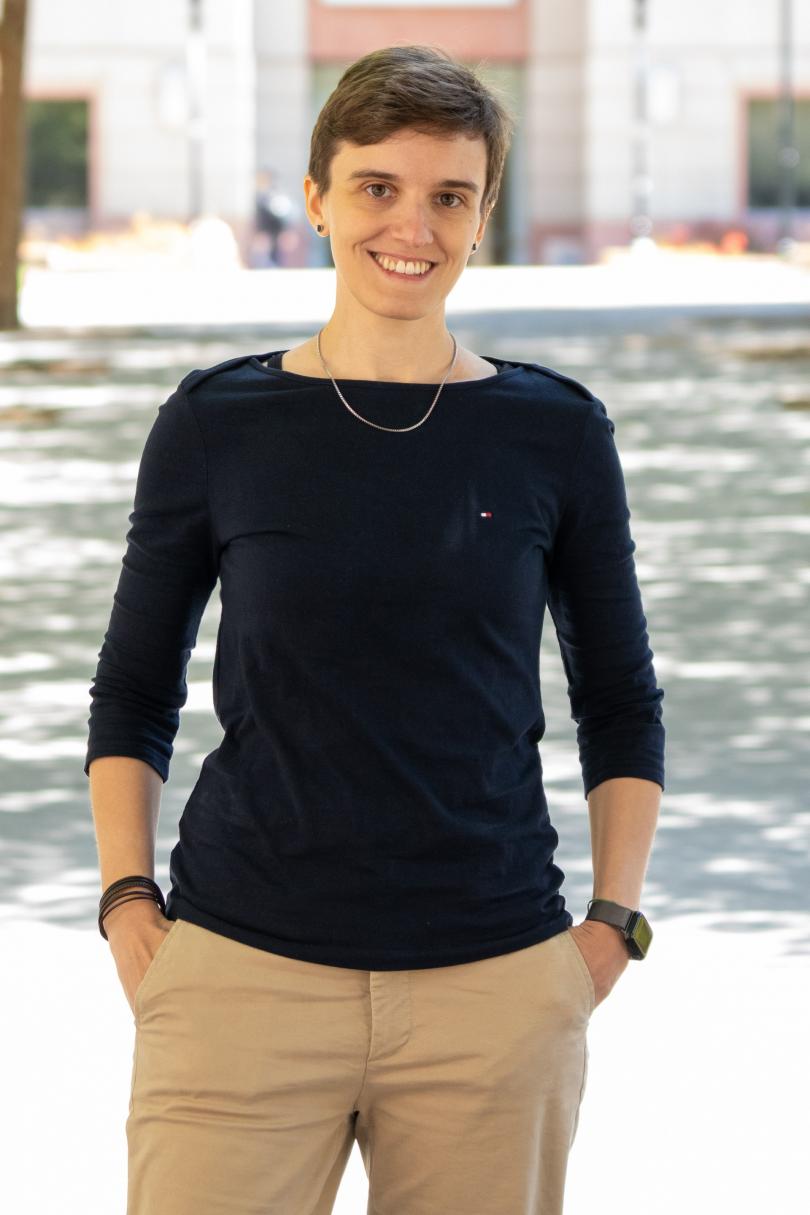
A headshot of Dr. Filipa Rijo-Ferreira.Dr. Filipa ​Rijo-Ferreira | ​Rijo-Ferreira Lab

Bio:
Filipa is an assistant professor of public health and molecular and cellular biology at the University of California, Berkeley, and an investigator at the Chan Zuckerberg BioHub. Filipa earned a Ph.D. from University of Porto, Portugal, followed by postdoctoral training at the University of Texas Southwestern Medical Center at Dallas. The Rijo-Ferreira lab takes an integrated approach to study circadian rhythms in parasitic diseases in particular Malaria and Sleeping sickness. Filipa is a NIH Pathway to Independence awardee, a NIH Director’s New Innovator awardee and a Searle Scholar. Moreover, Filipa was recently named a HHMI Freeman Hrabowski Scholar that recognizes outstanding early career faculty for their impactful research and commitment to mentoring.

A photo of two mosquitos as a clock.

Date:
Location:
THM 116

"Circadian Rhythms in Hosts, Parasites and their Vectors”

A headshot of Dr. Filipa Rijo-Ferreira.Dr. Filipa ​Rijo-Ferreira | ​Rijo-Ferreira Lab

Bio:
Filipa is an assistant professor of public health and molecular and cellular biology at the University of California, Berkeley, and an investigator at the Chan Zuckerberg BioHub. Filipa earned a Ph.D. from University of Porto, Portugal, followed by postdoctoral training at the University of Texas Southwestern Medical Center at Dallas. The Rijo-Ferreira lab takes an integrated approach to study circadian rhythms in parasitic diseases in particular Malaria and Sleeping sickness. Filipa is a NIH Pathway to Independence awardee, a NIH Director’s New Innovator awardee and a Searle Scholar. Moreover, Filipa was recently named a HHMI Freeman Hrabowski Scholar that recognizes outstanding early career faculty for their impactful research and commitment to mentoring.

A photo of two mosquitos as a clock.

Date:
Location:
THM 116